Veterans Day Remembrance: Honoring Military Service Through Meaningful Funeral and Cemetery Tributes

November 11, 2026

Veterans Day, observed each year on November 11, is a time to pause and honor the men and women who have served in the United States Armed Forces. For many families, this day carries a deeply personal weight — a chance to visit a grave, lay a wreath, or simply stand quietly beside a headstone and remember. Whether your loved one is already at rest or you are beginning to think about future arrangements, understanding the traditions and spaces that honor military service can bring a measure of comfort and clarity.

Military Sections in Cemeteries

Many cemeteries, including private memorial parks like Singing Hills, set aside dedicated areas for veterans and their families. These sections are designed to reflect the dignity and unity of military service. Headstones within military sections often follow a consistent, upright style, creating a sense of order and shared purpose among those interred there.

Families should know that eligibility for burial in a dedicated military section — or in a national cemetery — depends on the veteran's service record and discharge status. A veterans service organization, a funeral director, or the U.S. Department of Veterans Affairs can help families understand what benefits and burial options may be available. It is always worth asking early in the planning process, since some benefits require advance coordination.

Government-Furnished Headstones and Markers

The federal government provides headstones and grave markers at no cost for eligible veterans. These markers typically include the veteran's name, branch of service, years of birth and death, and may include a religious or belief emblem of the family's choosing. Families work with the cemetery and a funeral professional to submit the application; the process takes time, so patience is important.

Some families choose to supplement a government marker with additional personalization — a small plaque, an engraved bench nearby, or plantings that hold meaning. A cemetery's staff can walk families through what is permitted within their specific section.

Flag Protocols at Military Gravesites

The folded American flag presented at a military funeral is one of the most recognized and moving symbols of gratitude a nation offers. After the service, many families keep this flag in a display case placed near or on the grave, or at home as a treasured heirloom.

On Veterans Day and Memorial Day, small flags are often placed at individual graves — sometimes by volunteers, veterans organizations, or cemetery staff. This practice, quiet and consistent, turns rows of headstones into a field of remembrance. If your family would like to participate in placing a flag at a loved one's grave, the cemetery office is the right place to ask about any guidelines or scheduled volunteer events.

A flag placed at a grave is not just a symbol. For many families, it is a conversation across time — a way of saying, we remember, and we are grateful.

Graveside Honor Traditions

Military funeral honors can include a rifle salute, the playing of "Taps," and the flag-folding ceremony. By federal law, eligible veterans are entitled to a minimum honors detail, which may be provided by military branches or veteran organizations. Families wishing for a fuller ceremony can coordinate with a funeral director and local veterans groups, who often participate with great care and pride.

Beyond the formal service, many families create their own graveside traditions on Veterans Day:

  • Leaving a branch of service coin or medal at the base of the headstone
  • Reading aloud a letter, poem, or the veteran's favorite passage
  • Gathering as a family to share a memory or story
  • Planting a seasonal flower or small bulb near the marker
  • Observing a moment of silence at 11 a.m. — the hour the armistice was signed in 1918

None of these require permission or planning. They are simply acts of love, shaped by each family's own relationship with the person they are honoring.

A Place of Quiet and Natural Beauty

At Singing Hills Memorial Park, we believe that the land itself can be part of how we honor those we have lost. A setting of natural serenity — open sky, gentle landscape, the quiet that comes with space — can make a visit feel less like an obligation and more like a return to something meaningful.

For families considering where a veteran might one day rest, or those simply coming to visit on Veterans Day, we hope our grounds offer what a day of remembrance deserves: peace, dignity, and room to feel whatever you feel.

If you have questions about military sections, burial options for veterans, or cemetery traditions, we encourage you to speak with a knowledgeable veterans service officer or funeral professional. We are also glad to share what we know about how our memorial park supports families who are honoring those who served.

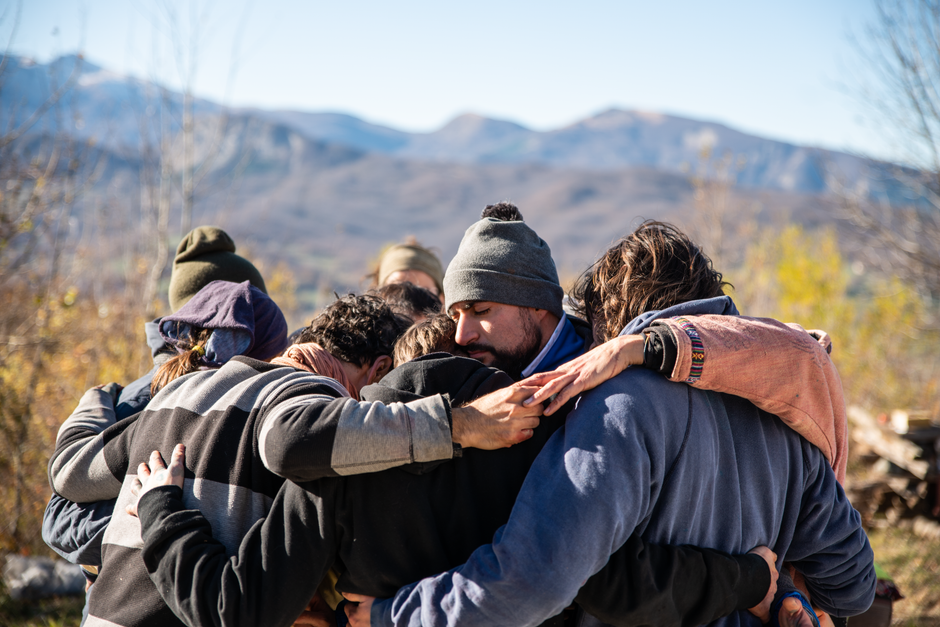
Photo by Steppe Walker on Pexels.
By Singing Hills Memorial Park Staff • November 4, 2026
Families are reimagining funeral receptions with outdoor, nature-centered gatherings. Explore gentle ideas for extending remembrance into the memorial landscape.
By Singing Hills Memorial Park Staff • October 28, 2026
Gentle guidance for including children in remembrance visits, with age-appropriate tips for talking about grief and honoring loved ones together.
By Singing Hills Memorial Park Staff • October 21, 2026
Learn the plain-language differences between in-ground burial, cremation gardens, and columbaria so you can make informed memorial park decisions.
By Singing Hills Memorial Park Staff • October 14, 2026
Discover meaningful ways to personalize remembrance at the graveside—through readings, seasonal flowers, and permanent memorial markers that honor a life.
By Singing Hills Memorial Park Staff • October 7, 2026
Not sure what to do with your loved one's cremated remains? Explore your options with compassion and clarity, on your own timeline.
By Singing Hills Memorial Park Staff • September 30, 2026
Learn how planning ahead for cemetery and memorialization preferences can bring peace of mind to you and the people you love.
By Singing Hills Memorial Park Staff • September 23, 2026
A calm, caring guide to what families can expect when planning a memorial service, including cemetery and interment considerations.
July 17, 2024
Written by our in-house Grief Counselor, Amanda Nelsen. As a grief therapist, I have found that people who have, or are able to create, a support network for themselves after a death of a loved one seem to have better outcomes in their grief overall. It can be key to helping yourself through the dark days. Below are some ideas to help you start or grow your own network. 1. Grief is isolating and connection is healing. Often we isolate ourselves when we are experiencing a lot of pain from grief. Many people will find a natural support network among their friends and family. Allow yourself to open up to those closest to you, even if it feels uncomfortable and not natural at first. 2. Groups and professionals. In addition to connecting with those you know and love, it can also be helpful to connect with a support group of others who are also navigating their grief. Support groups can provide a sense of community and understanding that you may not have with those already in your life. In addition, a professional, like a therapist or social worker, may also provide a safe space for you to explore your emotions and navigate the challenges of grief. 3. Acknowledge and express your emotions. There are a LOT of emotions that come with grief. Anger, sadness, shame, guilt, joy, relief, irritation, numbness, and so much more. Allow yourself to express and process all those emotions – and when you are ready, share them with those around you. It’s hard for others to support you if they don’t know what you are going through. 4. Express your needs clearly. Communication is key when you are building your support network. Your loved ones can’t help you if they don’t know what you want from them. Of course, this can be complicated when we aren’t even sure what we need or want, but even letting others know that YOU don’t know can be helpful. 5. Have flexibility and patience - with yourself and others. As you’ve probably discovered, grieving is very individual and everyone grieves at their own pace. People in your network will all be grieving differently. Holding space for compassion and understanding for them (and yourself) will be essential. 6. Share memories and create new traditions together. You might want to ask your support system to help you create a scrapbook, or organize a memorial event, or find other rituals that hold meaning to you. Having shared experiences strengthens your connection with others who also might be grieving. 7. Find ways to GIVE support. Many times when we are grieving we find it hard to think about others, because we are so full of pain ourselves or are just focused on surviving the next day. But when we find some space to help others, we usually find some healing. It might not seem like much, but dropping off a meal or a sending a text can really uplift someone else. 8. Setting boundaries within your support system. While support and connection are vital to grief, setting healthy boundaries is also important. You might want to keep certain memorial rituals to yourself, or carve out alone time. You may need specific types of support (and not want others). And this all might change over time. Check in with yourself regularly to figure out what boundaries are healthy for you, and then communicate them clearly to those around you.  9. Acknowledge and celebrate resilience and growth. Grief is about loss, but it can also be about resilience and growth. Find ways to celebrate the small moments with your support network. Share stories of strength and survival. Make healing a collaborative process – we can find solace in the journey of remembering our loved ones.
June 12, 2024
Ensure peace of mind for you and your loved ones with Singing Hills Memorial Park in El Cajon, CA. Learn how being prepared for end-of-life decisions can ease stress during difficult times.