Supporting Grieving Children: Age-Appropriate Ways to Include Kids in Remembrance
When a family loses someone they love, children feel that loss too—often deeply, and in ways they may not yet have the words to express. As adults, we sometimes wonder whether to shield children from grief or invite them into it. Most child development specialists and grief counselors suggest a middle path: including children gently, honestly, and at their own pace.
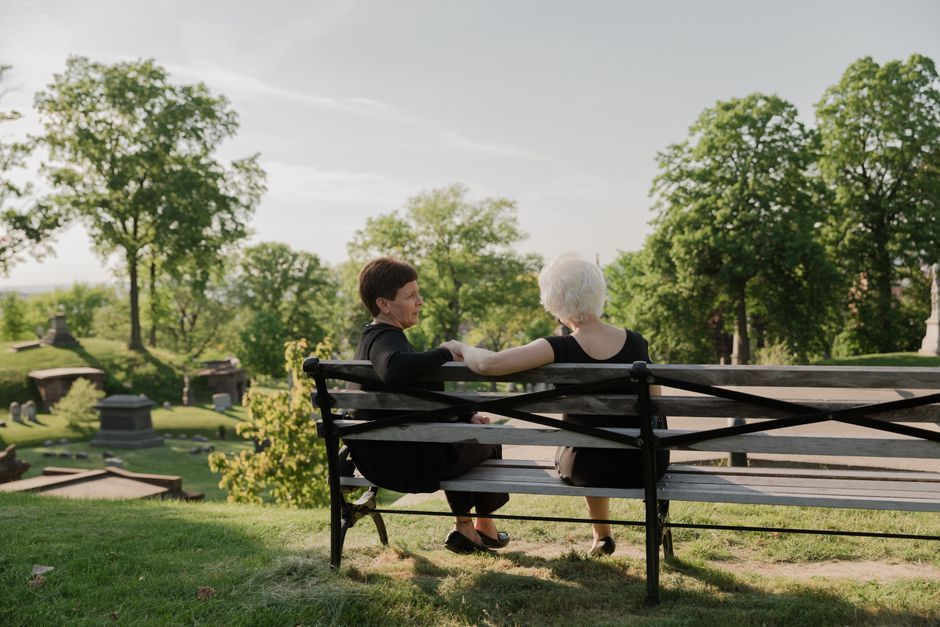
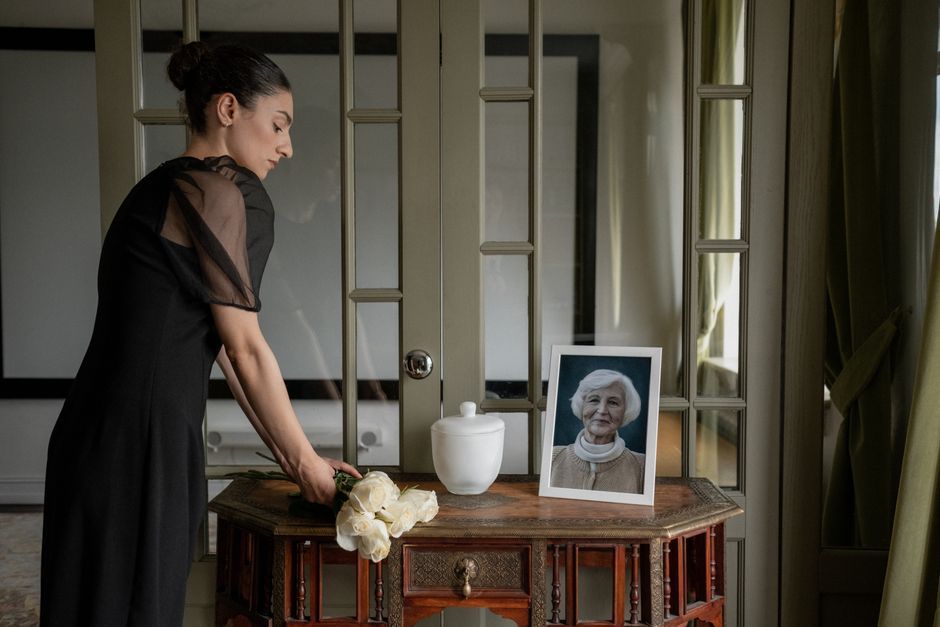
Remembrance does not have to be a formal or overwhelming experience. For many families, it begins simply—a quiet walk, a handful of flowers, a moment of stillness together. A natural, peaceful setting like a memorial park can offer children their first understanding of what it means to honor someone we love.
Why Including Children Matters
Children who are excluded from family grief rituals may feel confused, frightened, or as though their feelings do not count. Being included—even in small, age-appropriate ways—can help them:
- Understand that loss is a natural part of life
- Feel connected to the person who died
- Learn that it is safe to express sadness and love at the same time
- Develop their own ways of remembering as they grow older
There is no single right way to do this. What matters most is following the child's cues and creating space for honesty without pressure.
Talking with Children Before a Visit
Before bringing a child to a memorial park or cemetery for the first time, a brief, honest conversation can ease anxiety. Use plain, direct language suited to the child's age. You do not need to have all the answers—it is perfectly fine to say, "I don't know, but I'm here with you."
For younger children (roughly ages 3–6)
Young children think in concrete terms. Explain what they will see: grass, trees, quiet paths, and markers that help families remember people they love. Reassure them that the place is peaceful and that you will be together the whole time. Avoid abstract or euphemistic language, which can create confusion or fear.
For school-age children (roughly ages 7–12)
Children in this age group often have specific questions—some surprising, some tender. Answer honestly and simply. Let them know it is all right to feel sad, curious, or even relieved. Invite them to share a memory of the person, or ask if there is something small they would like to bring along.
For teenagers
Teens may grieve quietly or may want to talk at length. Some prefer to participate; others need to feel they have a choice. Offering the option to come along—without pressure—is often more meaningful than requiring attendance. If they do come, let them lead the tone of the visit.
Gentle Ways to Include Children During a Visit
A cemetery or memorial park does not have to feel solemn and silent to children. Many families find that giving children a small, purposeful role helps them feel present rather than passive.
- Placing flowers or a stone. Bringing a bloom from a garden, or choosing a smooth stone to leave near a memorial marker, gives a child's hands something caring to do.
- Walking the grounds together. A slow walk through a natural setting invites conversation to happen naturally, without forcing it.
- Sharing a memory out loud. Ask each family member—child included—to share one small memory of the person. This makes remembrance feel like participation, not performance.
- Drawing or writing a note. Younger children especially may find it easier to draw a picture or write a few words to "leave" with the person in spirit.
- Simply being present. Sometimes a child's quiet company beside you is the whole of what is needed.
Letting the Setting Do Some of the Work
A thoughtfully maintained memorial park—with open green spaces, mature trees, and a sense of calm—can communicate something words sometimes cannot: that this is a place of care, not fear. Children are often more at ease in natural settings than adults expect. The presence of birdsong, rustling leaves, or a gentle breeze can make the visit feel less strange and more familiar.
At Singing Hills Memorial Park, the grounds are designed to offer families a quiet, natural place to gather and reflect. Walking the paths with a child, pausing at a memorial marker, or simply sitting together beneath open sky can become a gentle, lasting memory of its own.
After the Visit
Check in with children after a visit to a memorial site. Some feelings surface later—at bedtime, during a quiet car ride, or days afterward. Keep the door open with simple phrases like, "You can always tell me what you're thinking about."
If a child's grief seems prolonged, intense, or is affecting daily life, speaking with a trusted counselor or grief specialist can offer additional support. Many communities have resources specifically designed for bereaved children and families.
Grief shared gently across generations does not burden children—it shows them that love continues, and that it is safe to honor the people who shaped us.
Photo by Anna Shvets on Pexels.