Understanding Burial Options: A Plain-Language Guide to Choices Families Face
When a family begins thinking about where a loved one will rest, the number of choices can feel overwhelming — especially when grief is already heavy. One of the most helpful things you can do, either for yourself or for someone you care about, is simply learn what the options are before any decisions need to be made. Knowing the vocabulary and the basic differences between interment types means you can have calmer, clearer conversations whenever the time comes.
This guide focuses on the types of interment options commonly available within a memorial park setting. It is not a substitute for the guidance of a licensed funeral home or the staff at the cemetery you choose, but it can help you arrive at those conversations already informed.
In-Ground Burial
In-ground burial is the most familiar form of interment. A casket — or, in some cases, an urn containing cremated remains — is placed in a prepared grave in the ground. Within a memorial park, individual graves are typically arranged in sections that may be organized by landscape theme, family groupings, or other designations.
A few terms you may encounter:
- Burial plot or grave space: The specific piece of ground set aside for one or more interments.
- Lawn crypt: A pre-installed concrete or lined chamber set into the ground, designed to hold a casket. Many cemeteries install these in sections to protect the surrounding landscape and simplify maintenance.
- Double-depth burial: An arrangement where two caskets are placed in the same plot, one above the other, allowing a couple or family members to share a single grave space.
- Companion plot: Two adjacent grave spaces purchased together so that two people rest side by side.
In-ground burial allows for a traditional graveside service and provides a permanent, marked location that families can return to for years to come.
Cremation Gardens
As cremation has become more common, many memorial parks have developed dedicated areas designed specifically to receive cremated remains. These spaces are often called cremation gardens, and they blend natural landscaping with meaningful memorialization.
Within a cremation garden, families may find several options:
- In-ground cremation burial: An urn containing cremated remains is interred directly in the ground, often in a smaller plot than a traditional grave. This option preserves the feeling of a permanent, visitable resting place.
- Cremation benches and boulders: Some memorial parks offer engraved granite benches or natural stone features that serve as both a memorial marker and a functional element of the garden landscape.
- Scattering gardens: Designated natural areas where cremated remains may be scattered with care and intention. These spaces typically do not have individual markers but offer a peaceful setting for a meaningful farewell.
Cremation gardens often feel quieter and more intimate than traditional burial sections, and they tend to emphasize the natural setting around them — plantings, pathways, and open sky.
Columbaria
A columbarium (the plural is columbaria) is a structure — sometimes a freestanding wall, an enclosed building, or an outdoor architectural feature — that contains individual niches. Each niche is a small compartment designed to hold an urn of cremated remains.
The word columbarium comes from the Latin for "dovecote," a building with small compartments for doves. The image is a gentle one, and the spaces themselves are often designed to feel that way.
Niche options within a columbarium vary:
- Single niches: Sized for one urn.
- Companion niches: Larger compartments that can hold two urns, intended for couples or family members who wish to remain together.
- Indoor vs. outdoor columbaria: Outdoor columbarium walls are often incorporated into garden settings, while indoor structures provide a sheltered environment. Both allow family members to visit year-round.
Niches are typically sealed with a granite or glass front panel, which can be engraved with a name, dates, and a brief personal inscription.
Terramation and Cemetery Scattering
Terramation — sometimes called natural organic reduction — is an emerging approach in which a person's remains are transformed into soil through a natural, contained process. It is not a service provided by cemeteries; it is typically arranged through specialized facilities in the places where it is legally available. However, families who have chosen terramation for a loved one sometimes wish to bring the resulting soil to a meaningful outdoor setting afterward. Some memorial parks that include designated scattering gardens may be able to receive terramated remains in those spaces, offering a way to mark a place of remembrance even when the process itself happened elsewhere. Because terramation is still new and its availability varies considerably by location, it is important to ask directly — both of the facility handling the process and of any cemetery you are considering — what their specific policies allow. As with any emerging option, guidance from knowledgeable professionals will be your clearest path forward.
A Note on Choosing
There is no single right answer when it comes to interment. What matters most is that the choice feels respectful of the person being remembered and meaningful to the family who will carry that memory forward. Religious traditions, cultural practices, personal preference, the wishes of the deceased, and practical considerations all play a role — and all of them deserve careful thought.
If you are pre-planning for yourself, you may find that simply reading through options like these brings a quiet sense of relief. If you are helping a family member during an active loss, please give yourself permission to take this information slowly.
The staff at any reputable cemetery or funeral home will be glad to walk you through the specific options available in their setting. There are no questions that are too simple to ask, and there is no pressure to decide anything before you are ready.
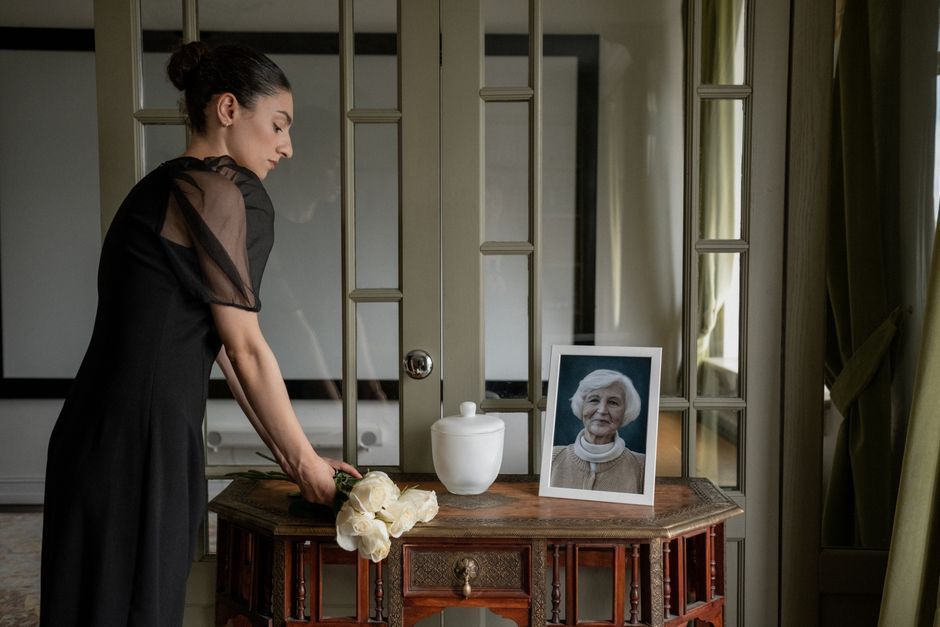
Photo by RDNE Stock project on Pexels.